A Guide to Building a Home in Ohio

Senior Manager of Sales at Truehold - A Thought-Leader in Real Estate
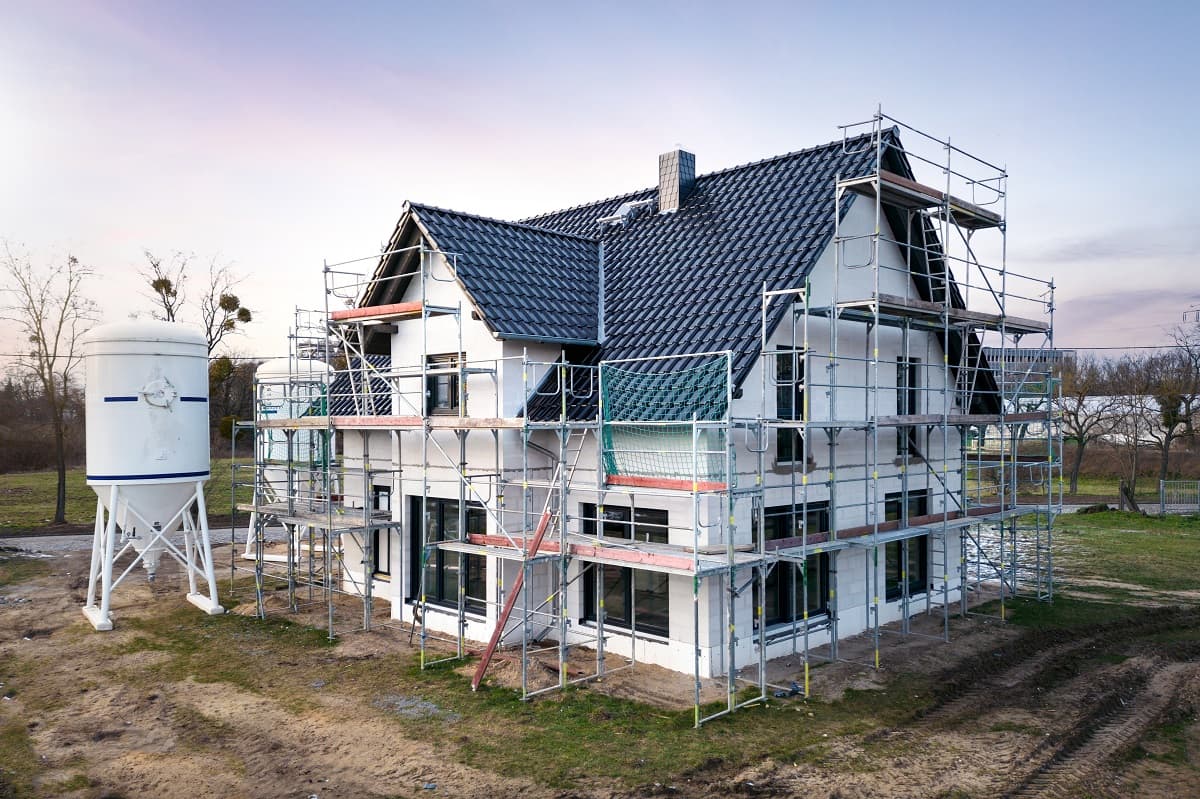
Buying a home limits you to what’s on the market in your target area and time frame, and typically comes with a list of compromises. Building a home solves for a lot of that—and opens up a world of possibilities.
Whether you’re looking to avoid costly renovations, live in a wholly energy-efficient house, or create your dream home, a custom build and home design offers more control and options.
It takes time, careful planning, and working with the right custom home builder. You’ll also need insight into local regulations and market conditions. Read on for the essential toolkit for building a home in Ohio and tips on how to finance your dreams.
Overview of the Ohio Home Construction Landscape
Like most of the country, Ohio has encountered a lot of change in recent years when it comes to residential real estate market trends. New construction is faced with:
- A rise in the cost of building materials, up to 10% higher year over year1
- Lock on permits in some areas due to infrastructure limits, particularly sewer capacity
- The dramatic rise in interest rates since April 20222
- Increases in land, labor, and permit costs
At the same time, with a slowdown in housing construction relative to population growth in Ohio, some cities and counties have made regulatory changes to lessen wait time and red tape in the way of new builds. You’ll easily be able to find qualified residential builders and lenders—both banks and credit unions—to work with for your Ohio home.
Cost Considerations for Building a Home in Ohio
New construction in Ohio averages $111.24 per square foot (SF), or $222,480 for a 2,000 SF house.3 Current homes in Ohio average 1,803 SF with a sales price of $277,452 in April 2024, which calculates to $153.88 per SF.4,5
On top of that average $222,480, add these expenses if you’re not building on a build-ready property you own:
- Land, which averages $69,600 per acre6
- Clearing, leveling, and excavation ($1,500 to $3,000)7
- Permits (about $5,000 depending on location)
- Utility connections or alternatives
That’s not to say that you’re guaranteed to pay less for a new build. But if you plan and budget for a house build carefully, a new home can be an affordable alternative to buying a home in Ohio.
Most buyers opt for a construction loan when looking to finance building a house. A construction loan is a short-term loan held throughout the building period (typically a year or less).8 Construction loans can cover the cost of land, labor, building materials, excavation and other land preparation, and permits, as well as a cushion for unexpected costs.
Borrowers can either opt to convert the loan to a conventional mortgage or seek a mortgage with another lender once the house is built.
Because the lender doesn’t yet have collateral to secure the loan, construction loan interest rates are about 1% higher than conventional mortgages and may be more strict on borrower qualifications.8
Loan approval requires:
- Downpayment, often a 20% minimum
- Minimum credit score of 680 to 700
- A licensed builder, detailed building plans, and an itemized and realistic budget
- A construction timeline, usually 9 to 12 months in Ohio3
- Inspection at each phase of build completion
The lender releases funds directly to the builder as each building phase is completed.
Learn more about Truehold's flexible sale-leaseback
Click hereSteps to Building Your Dream Home in Ohio
Each of the major steps is broken down into smaller tasks, including extensive research, questioning, and comparing before you’ll be ready to move forward.
Early in your planning:
- Determine a budget and desired location
- Select home style, size, and features
- Shop around for a licensed architect and/or building contractor
- Select a lender after comparing loan types, rates, and terms, and get pre-approved
Next, you’ll want to:
- Create detailed construction plans including materials and finishes
- Establish a detailed budget and timeline with your contractor
- Obtain local permits and zoning approvals
- Identify insurance requirements and obtain insurance
Now you’re ready to get the job done:
- Close on your loan and pay your closing costs and down payment
- Begin construction
- Lender inspection at each phase of build completion (usually 4 to 6) prior to payments
- Municipal inspections after the foundation, plumbing, and electrical are installed
- Final inspections and appraisal
- Pay off your construction loan or convert it to a conventional mortgage
In terms of the actual building process, the sequence of construction typically follows this series:
- Clear the property of debris and vegetation
- Level and grade the ground
- Create concrete or brick footings and footing drains
- Pour the foundation and construct the basement
- Install drains, sewer lines, and water taps
- Set up the electrical basics
- Frame in the house with lumber for walls, flooring, ceiling, and roof trusses
- Sheath and insulate the exterior walls and apply house wrap
- Add windows and exterior doors
- Install HVAC ductwork and system
- Rough in plumbing pipes, sewer lines, vents, and bathtubs
- Put in electrical panels and wiring, circuit breaker, fans, outlets, and hook up HVAC
- Install the roof shingles, tiles, or other material plus flashings
- Lay, spray, or otherwise install complete insulation
- Hang drywall on interior ceilings and walls and apply texture and priming
- Paint the interior and add wallpaper or other finishes
- Install exterior siding and finishes
- Begin landscaping and hardscaping
- Lay flooring throughout the house
- Complete window, ceiling, and flooring trim, sills, and molding
- Install cabinets and vanities
- Add light fixtures, outlets, and light switches
- Put in bathroom toilet, sink, countertops, and fixtures
- Install kitchen countertops, appliances, and fixtures
- Hang mirrors
Navigating Permits and Regulations in Ohio
The majority of regulations and permits to build a home in Ohio are at the local level. Check with your county and city offices about9:
- Local building codes
- Local environmental laws such as erosion control or stormwater detention
- Zoning restrictions
- Neighborhood covenants limiting house styles and materials, tree preservation, etc.
You’ll need to obtain a building permit from your municipality that declares the location, size, and building type of your home. Depending on location and infrastructure, you may also need supplemental permits10:
- Building permit $1,000 to $2,000
- Electrical permit $10 to $500
- HVAC permit $250 to $400
- Plumbing permit $50 to $500
- Grading permit $100 to $1,000
At the state level, you’ll need to apply for permits if your house design uses commercial construction materials such as concrete blocks or steel beams.
Select the Right Builder
The builder you choose will make a monumental difference in your home-building experience. Think of them as your project manager or orchestra conductor, making sure the project or show goes off without a hitch.
You’ll need them to:
- Communicate efficiently at all stages, from initial estimates to final inspections
- Get the job done safely, on time, and according to your plans
- Follow all regulations, obtain necessary permits, and ensure your home is up to code
Don’t skimp on the time you invest in selecting a builder. Meet with several, obtain itemized estimates that include specific material choices, and ask about their working processes:
- How they communicate with clients, and whether you’ll work through a project manager
- Staffing: how much is outsourced and how will they ensure they have enough workers
- Scheduling around dependencies when deliveries, inspections, or specialists are delayed
- Do they use an app and share before/after pictures of each stage?
You’ll also want to:
- See proof of liability insurance and licensing
- Ask for recent customer references that you can contact (and do so)
- Check out online reviews and any Better Business Bureau complaints
Select the Right Materials
Building materials aren’t just about aesthetic preferences and house design style. Climate and location play a key role in selecting which materials are effective and available.
Ohio is a four-season state, with hot summers and cold winters that require effective insulation. The state’s current homes—traditional, historic, and new—offer a mix of structural styles with brick, wood, stone, clapboard, and composite exteriors.
Your architect and builder are resources to find the right balance of taste, affordability, and quality. Ask about:
- Energy-efficiency ratings
- Impact on framing techniques
- Durability, expected life, and warranties
- Maintenance and cleaning needs
Note that the expense of different materials isn’t always just their price tag. If materials require specialty application, more time to obtain or install, or even separate skilled professionals, your labor costs could also increase.
Consider Truehold's Sell and Stay Transaction for Homeowners
If you sell your current home to fund the down payment for a new construction loan, where do you live in the meantime? A sell and sty transaction has an answer for that.
Truehold's sell and stay transaction combines the sale of your house with a lease that switches you to renter status on closing day. Instead of funding your home construction through new debt, you’ll pay off your current mortgage and convert your equity to cash, all without needing to find a new place to live.
Plus, you can turn your focus entirely to the construction project. Truehold handles essential repairs, property tax, and property insurance.
Ready to find out more? Call us at (314) 353-9757 to learn more. Then, one of our representatives will reach out to review the process, answer your questions, and see how Truehold's sell and stay transaction can help you transition from your current house to a one-of-a-kind home of your dreams.
Sources:
- The Columbus Dispatch. Columbus home construction drops to five-year low despite housing shortage. https://www.dispatch.com/story/business/real-estate/2024/03/12/columbus-home-building-fell-to-five-year-low-despite-shortage/72931508007/
- FRED. 30-Year Fixed Rate Mortgage Average in the United States. https://fred.stlouisfed.org/series/MORTGAGE30US
- Best Real Estate Market on LinkedIn. Cost to Build a House in Ohio: A Breakdown of Homebuilding Costs. https://www.linkedin.com/pulse/cost-build-house-ohio-breakdown-homebuilding-costs-rdkrc/
- The Ascent A Motley Fool Service. How Big Is Your Home? Here Is the Average Home Size by State. https://www.fool.com/the-ascent/mortgages/articles/how-big-is-your-home-here-is-the-average-home-size-by-state/
- Biglaw Investor. Construction Loans in Ohio. https://www.biglawinvestor.com/marketplace/construction-loans/ohio/
- Zippia. How Much An Acre Of Land Costs In Each State. https://www.zippia.com/advice/acre-land-costs-each-state/
- Houzeo. How Much Does It Cost to Build a House in Ohio in 2024? https://www.houzeo.com/blog/how-much-does-it-cost-to-build-a-house-ohio/
- Bankrate. What are construction loans, and how do they work? https://www.bankrate.com/mortgages/construction-loans-explained/
- Home Builder Guide. Building a House in Ohio: A Step-by-Step Guide to Your Dream Home. https://myhomebuilderguide.com/cost-guides/ohio/building-a-house-in-ohio-a-step-by-step-guide-to-your-dream-home/
- Real Estate Queen. Cost to Build a House in Ohio. https://www.realestatequeen.com/cost-to-build-a-house-in-ohio/

Senior Manager of Sales at Truehold - A Thought-Leader in Real Estate
Lucas Grohn is a Senior Manager of Sales at Truehold, leading a team of local market experts and overseeing the brand’s sales outreach strategy. Lucas has been a thought-leader in the real estate industry for more than a decade. He got his start working alongside institutional investors and has since found himself in a myriad of different roles.From being a Managing Broker, to training new agents at some of the country's most well known real estate brands (Redfin, Zillow, RE/MAX). He spends his free time hanging with his family on the beach in Georgia and taking pictures of two daughters (1&4).